

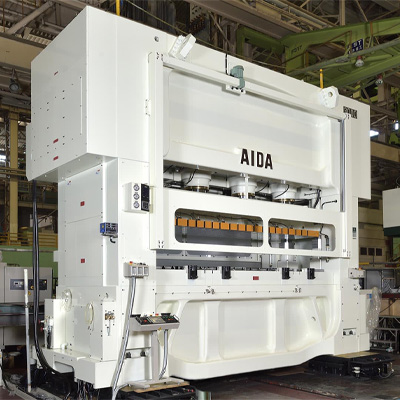

In today’s fast-paced industrial environment, manufacturers are constantly seeking ways to improve efficiency, reduce costs, and maintain consistent product quality. One of the most effective solutions is the use of high speed precision punch press machines. These advanced machines have become essential equipment in industries such as electronics, automotive, and new energy, where high-volume production and tight tolerances are required.
A high speed precision punch press is designed to operate at significantly higher speeds compared to traditional stamping machines. While conventional presses may operate at lower strokes per minute, high speed presses can reach hundreds or even thousands of strokes per minute without compromising accuracy. This makes them ideal for mass production of small and precise metal components.
One of the key advantages of high speed punch presses is their ability to dramatically increase production efficiency. By reducing cycle time and increasing output, manufacturers can meet large-scale production demands more effectively. This is particularly important in industries like electronics, where components such as connectors and terminals are produced in massive quantities.
Another important benefit is precision. High speed presses are equipped with advanced guiding systems and precision-engineered components that ensure consistent performance. This allows manufacturers to produce parts with extremely tight tolerances, reducing defects and improving overall product quality. Consistency is critical in modern manufacturing, especially when parts must meet strict industry standards.
In addition to efficiency and precision, high speed punch presses also support automation. These machines can be integrated with automatic feeding systems, robotic arms, and other production line equipment. This reduces manual labor, minimizes human error, and further enhances productivity. Automated production lines are becoming increasingly popular as companies strive to improve efficiency and reduce operational costs.
Durability and stability are also key factors. High speed presses are designed with rigid frames and high-quality materials to withstand continuous operation. Features such as advanced lubrication systems and balanced drive mechanisms help reduce wear and extend machine lifespan. This ensures long-term reliability and reduces maintenance costs.
From an economic perspective, investing in a high speed precision punch press can lead to significant cost savings. Although the initial investment may be higher than traditional machines, the increased productivity, reduced waste, and lower labor costs quickly offset the expense. Over time, manufacturers can achieve a higher return on investment.
High speed punch presses are widely used across multiple industries. In the electronics industry, they are used to produce connectors, lead frames, and terminals. In the automotive sector, they are essential for manufacturing motor components and precision metal parts. In the new energy field, they play a key role in producing components for electric vehicles and renewable energy systems.
Choosing the right machine is crucial for maximizing these benefits. Manufacturers should consider factors such as speed, precision, durability, and compatibility with automation systems. Partnering with an experienced and reliable supplier can also make a significant difference in achieving optimal results.
In conclusion, high speed precision punch presses are transforming modern manufacturing by delivering unmatched efficiency, accuracy, and reliability. As industries continue to evolve, these machines will play an even more important role in helping manufacturers stay competitive in the global market.