

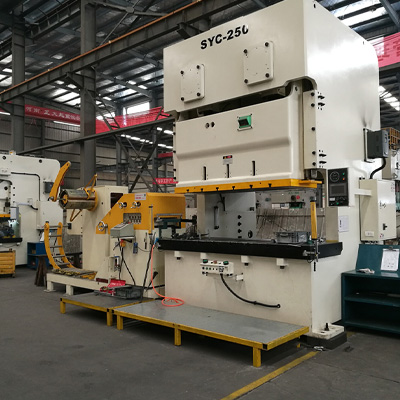

In modern manufacturing, precision is no longer optional—it is a necessity. Industries such as electronics and automotive demand components with extremely tight tolerances and consistent quality. High precision punch presses have become indispensable tools in meeting these requirements.
The electronics industry is one of the largest users of high precision stamping technology. Components such as connectors, terminals, and lead frames require extremely accurate dimensions and smooth finishes. Even the slightest deviation can affect performance and reliability. High precision punch presses are specifically designed to meet these stringent requirements.
One of the main advantages of these machines is their ability to produce complex shapes with high repeatability. Advanced guiding systems and precision-engineered components ensure that every part is manufactured to exact specifications. This is particularly important in electronics, where products must meet strict quality standards.
In the automotive industry, high precision punch presses are used to manufacture a wide range of components, including motor cores, structural parts, and various metal components. With the rapid development of electric vehicles, the demand for precision stamping has increased significantly. Components used in EV motors and battery systems require high accuracy and consistency, making precision punch presses essential.
Efficiency is another critical factor. Both electronics and automotive industries require large-scale production. High speed precision punch presses enable manufacturers to produce high volumes of parts quickly without sacrificing quality. This helps companies meet market demand and reduce production costs.
Material utilization is also improved with high precision presses. Advanced stamping technology reduces waste and optimizes material usage, which is especially important given the rising cost of raw materials. Efficient use of materials not only reduces costs but also supports sustainable manufacturing practices.
Automation plays a significant role in modern production. High precision punch presses can be integrated with automated feeding systems and production lines, enabling continuous and efficient operation. This reduces reliance on manual labor and minimizes the risk of human error.
Reliability and durability are equally important. High precision presses are built with strong frames and high-quality components to ensure long-term performance. Features such as automatic lubrication systems and advanced control systems help maintain stable operation and reduce downtime.
Choosing a reliable supplier is crucial for achieving the best results. Manufacturers should look for companies with extensive experience, strong technical capabilities, and a commitment to quality. Customization options and after-sales support are also important factors to consider.
In conclusion, high precision punch presses are essential for industries that demand high accuracy, efficiency, and reliability. As technology continues to advance, these machines will play an increasingly important role in supporting innovation and growth in the electronics and automotive sectors.